As youth depression rates remain high, Regence prioritizes mental health access

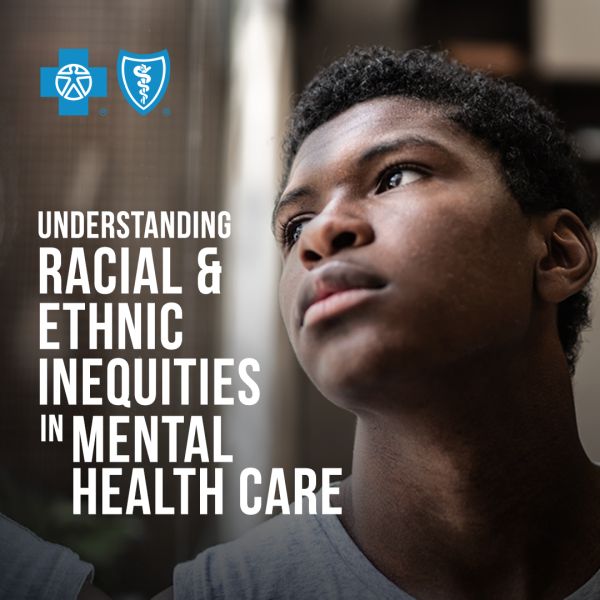
Youth depression rates remain significantly higher than pre-pandemic levels, according to a new Blue Cross Blue Shield Association (BCBSA) report. Recognizing this ongoing mental health challenge, Regence continues to expand access to behavioral health services across Idaho, Oregon, Utah and Washington to ensure members can get care when they need it most.
Depression rates double among teens
The BCBSA study, analyzing data from more than one million insured youth ages 6-17, found that Major Depressive Disorder (MDD) prevalence in teens ages 15-17 doubled from 3% to 6% between 2019 and 2022.
MDD is a serious but treatable condition that goes beyond typical mood swings. It causes persistent feelings of sadness, hopelessness and loss of interest in activities. For young people, this form of clinical depression can affect sleep patterns, appetite, energy levels, concentration and overall daily functioning. When symptoms last more than two weeks, it may be time to seek help.
“These findings confirm what many parents and health care providers are seeing — our youth are facing unprecedented mental health challenges,” said Dr. Mike Franz, Regence's executive medical director for behavioral health. “Getting help early helps young people learn skills to handle tough emotions throughout their lives.”
Regence makes it easier to get mental health care
“We've seen increasing demand for youth mental health services,” said Dr. Franz. “In response, we've focused on expanding access and reducing barriers to care, particularly in underserved communities and rural areas where mental health resources have traditionally been limited.”
We’ve made it easier to get mental health care through these efforts:
Provider network growth: Added 7,220 new behavioral health providers in 2024, with 161 facilities specifically serving children and adolescents.
Enhanced support: Improved our phone system so members can access a dedicated prompt connecting them directly with Customer Service Professionals specially trained in behavioral health support.
Inclusive provider search: Boosted our provider search capability online so our members can search for doctors by their cultural competence (such as LGBTQ+, ethnicity and language).
Community investment: Through our corporate foundation, Cambia Health Foundation, we've invested $5.2 million since 2022 to expand access to behavioral health care in underserved communities.
We’re here to help
If you or your child needs emotional support or mental health care, we can help you find the behavioral health care option that fits your needs. Most of our health plans offer virtual mental health treatment options from providers such as AbleTo Therapy+, Doctor on Demand, Talkspace, Charlie Health, Headway, MDLive, NOCD and more. No referral is needed – you can visit the provider’s website and fill out their intake form for an appointment.
We encourage you to visit these providers’ websites or call our customer service team at the number listed on your member ID card to verify which virtual care and traditional behavioral health options are available through your health plan.
Remember 988 – the National Suicide & Crisis Lifeline. When people call, text, or chat 988, they’re connected to trained counselors who will listen, understand how their problems are affecting them, provide support, and connect them to resources if needed.